

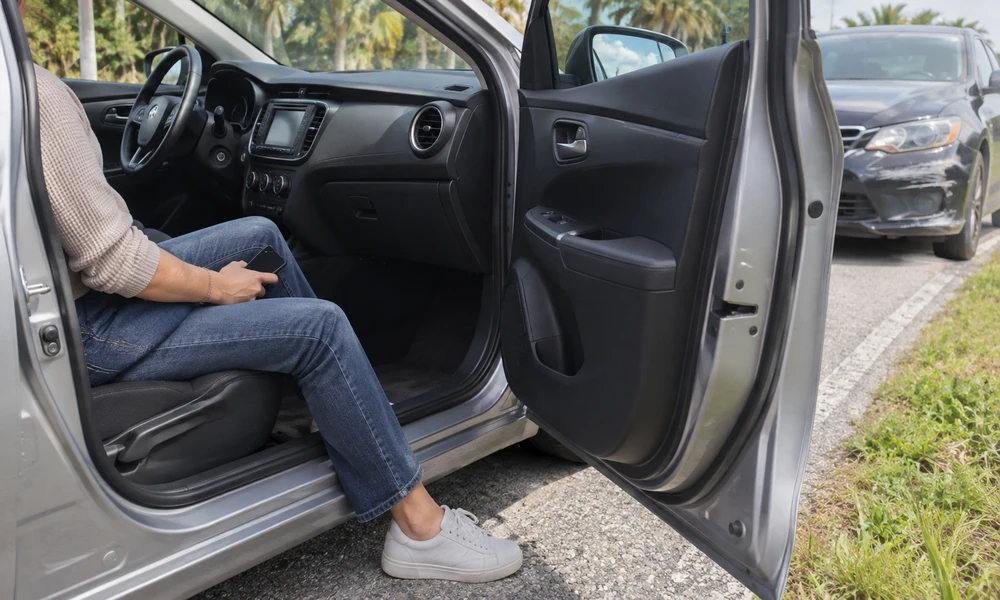
A passenger and a driver can leave the same crash with different memories and different paperwork. A back-seat passenger may remember where they were sitting and who checked on them afterward, while the driver may have exchanged contact information or received the first insurance email. LeavenLaw lists car accidents among its personal injury practice areas. For passengers who contact the firm about a crash, their own account gives the conversation a practical starting point.
Start with the passenger’s view
A short account can begin with the date, the approximate time and where the passenger was sitting. From there, it can describe what the person remembers immediately before and after the impact. Someone in the rear seat may remember hearing a horn, seeing a particular storefront after the vehicle stopped or speaking with a person who came over to help. Those details can help put the account in order even if the passenger had a limited view of the road.
Passengers may hear other versions of the event later, especially if the driver is a friend or relative. It helps to keep a firsthand recollection separate from anything learned in a later conversation or read in a message. If the exact sequence is unclear, the account can leave that point open.
Note who has the paperwork
A passenger may have an appointment summary, a ride receipt or a text confirming pickup, while the driver may have a report number or photos of the vehicle. A simple list can show which items the passenger already has and which ones someone else may hold. For instance, a passenger might note that a friend has photos and that the driver mentioned receiving an email from an insurer.
Passengers can ask LeavenLaw what information would be useful for an initial conversation, given the records they already have. If the firm requests documents, they can also ask how it prefers to receive them.
Bring questions about the passenger’s situation
The passenger’s own timeline can include what happened after leaving the scene, such as a missed work shift, a follow-up appointment or a change in transportation plans. A brief timeline is easier to talk through than a phone full of messages, especially when several people were involved in the trip.
A first conversation with LeavenLaw can also cover practical questions. Passengers can ask what details about their seating position or the trip would help explain the event, how to describe uncertainty about the sequence and what follow-up information the firm may want. If the driver and passenger have received different correspondence, the passenger can say which messages came directly to them and which they saw later. A short account, a list of available records and a few questions give the passenger a way to explain what they experienced in their own words.
