

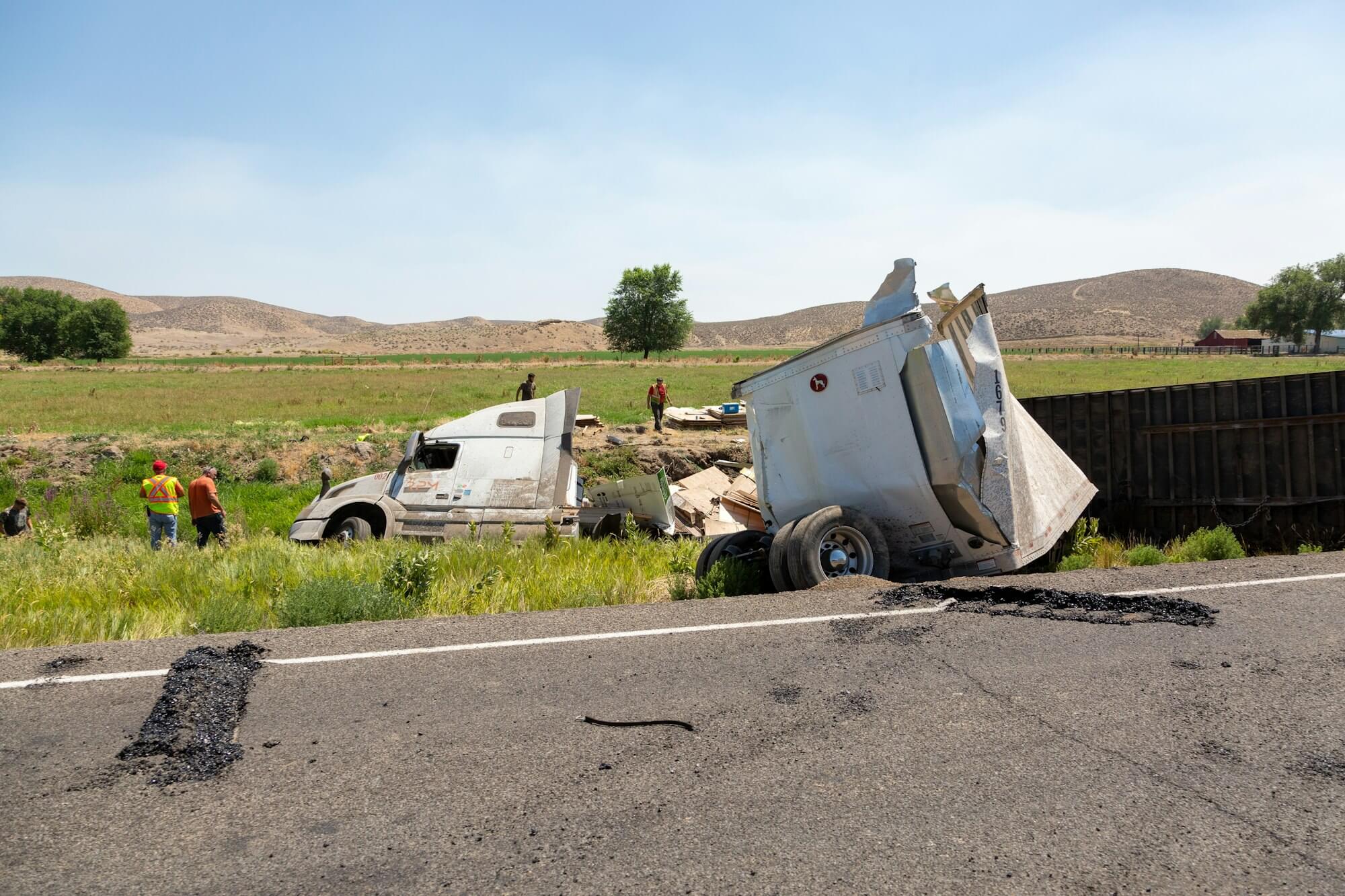
Henderson’s rapid growth means more traffic, more retail and hospitality space, and, inevitably, more accidents with tangled liability. It’s not uncommon for a crash to start as a “car case” and quickly reveal a dangerous property condition, turning it into a premises claim, too. Car accident claims in Las Vegas often look similar, especially around shared corridors and destinations both cities rely on. This guide explains when those claims overlap, how negligence is proven, and what compensation victims can pursue for injuries, lost income, and property damage.
When car accidents and premises liability overlap in claims
Crashes don’t always begin and end with driver error. In Henderson, a collision might be triggered, or made worse, by a dangerous condition on private or commercial property. That’s where car accident and premises liability claims converge.
Common overlap scenarios
- Parking lot hazards: A deep pothole or oil slick in a shopping center lot causes a driver to lose control and strike another vehicle. The at-fault driver’s insurer may share responsibility with the property owner’s liability carrier.
- Faulty gates and barriers: A malfunctioning parking garage arm slams down onto a moving car or fails to stop vehicles entering a pedestrian zone.
- Construction debris and sight-line obstructions: Unsecured materials spill into the roadway: overgrown landscaping blocks visibility at an exit, contributing to a T-bone collision.
- Inadequate lighting or security: Poor illumination in a garage increases the risk of vehicle-pedestrian impacts or hit-and-runs that would’ve been avoidable with reasonable lighting and cameras.
Why both claims matter
Drivers owe a duty to operate safely. Property owners and occupiers owe a duty to keep premises reasonably safe for invitees and to address hazards they know or should know about. When both duties are breached, victims can, often should, assert claims against both the negligent driver and the property owner or manager (and sometimes a contractor or security company). That dual-track approach can:
- Identify the real cause chain (not just the last mistake made),
- Unlock additional insurance coverage layers (auto BI, premises GL, umbrella), and
- Improve the odds of a full, fair settlement when one policy limit isn’t enough.
In short, Henderson Premises Liability Accidents frequently intersect with auto claims, and treating them as separate silos can leave meaningful compensation on the table.
Determining negligence in multi-factor accident cases
Nevada negligence analysis still turns on the basics: duty, breach, causation, and damages. Overlap cases simply add more moving parts.
Building the negligence picture
- Duty and breach (drivers): Speeding, distraction, impairment, tailgating, or failing to yield can establish a driver’s breach.
- Duty and breach (property owners/occupiers): Failing to maintain the premises, ignoring prior incidents, violating building or fire codes, or using a “mode of operation” that predictably creates hazards (think constantly wet entryways) can show a breach.
- Notice: For premises claims, proof that the owner knew or should have known about a hazard is key. Prior complaints, work orders, inspection logs, and surveillance footage matter.
- Causation: Did the hazard substantially contribute to the crash, or was it an unrelated condition? Site inspections, human factors analysis, and event data recorder (EDR) downloads help connect the dots.
Comparative negligence in Nevada
Nevada uses modified comparative negligence. If a victim is 50% or less at fault, they can recover, but damages are reduced by their share of fault. At 51% or more, recovery is barred. In premises cases, the “open and obvious” nature of a hazard doesn’t automatically defeat the claim: it often goes to comparative fault instead.
Evidence that moves the needle
- Dashcam and EDR data showing speed, braking, and steering inputs.
- Maintenance contracts, inspection schedules, and incident logs from property managers.
- Code compliance reports and lighting measurements.
- Witness statements and preserved surveillance video (ideally via an early spoliation letter).
Put together, this evidence clarifies how responsibility should be apportioned among drivers, owners, contractors, and security vendors.
Victim rights to compensation for injuries and property damage
When car accident claims and premises liability cases converge, victims aren’t limited to one pot of money or one type of loss. Nevada law allows recovery of both economic and non-economic damages, and multiple insurance policies may be implicated.
Compensable losses
- Medical expenses: ER care, surgery, follow-ups, prescriptions, physical therapy, and future medical needs.
- Lost income: Missed shifts, project delays, and loss of earning capacity for lingering impairments.
- Out-of-pocket costs: Transportation to appointments, medical equipment, home modifications.
- Pain, suffering, and loss of enjoyment of life.
- Property damage: Repairs or total loss value, diminished value after repair, towing, storage, and a comparable rental vehicle.
- In egregious conduct (e.g., drunk driving), punitive damages may be available under Nevada law.
Insurance sources that may apply
- Negligent driver’s bodily injury (BI) liability coverage.
- Property owner’s/commercial tenant’s general liability (GL) coverage and, at times, an umbrella policy.
- Underinsured/Uninsured Motorist (UIM/UM) coverage on the victim’s auto policy when the at-fault driver lacks adequate limits.
- Medical payments (MedPay) coverage, regardless of fault, to help with immediate medical bills.
Because Henderson and Las Vegas share major retail, resort, and event spaces, cross-jurisdictional issues arise. Claims teams may be in different cities, but victims still have the same rights to pursue full compensation from every responsible party. Local firms, including Cameron Law, often coordinate these layered recoveries so one insurer can’t shift blame to another and stall a fair resolution.
Legal procedures for pursuing complex liability disputes
Multi-defendant cases reward early, organized action. A clear plan helps preserve evidence and leverage coverage.
A practical playbook
- Report and document: File a police report for the crash and an incident report with the property owner or manager. Photograph the vehicles, the hazard (pothole, gate, debris), lighting conditions, and signage.
- Preserve evidence: Send spoliation letters to the property owner, contractors, and any security vendor requesting preservation of video, maintenance logs, inspection records, and access control data. Prompt requests matter, many systems auto-delete footage in days or weeks.
- Identify coverage: Obtain dec pages for the driver’s auto policy, the property’s GL policy, any umbrella, and evaluate the victim’s UM/UIM and MedPay.
- Treat and track: Consistent medical care creates a clear record of injuries and causation. Keep bills, explanation of benefits (EOBs), and mileage logs.
- Notice and demand: Provide timely notice to all carriers. When treatment stabilizes, issue a comprehensive demand with liability analysis, medical summaries, and damages proof.
Litigation and apportionment
If settlement stalls, suit is filed in the appropriate Nevada court. Discovery targets maintenance records, prior incidents, vendor contracts, and EDR data. Experts, accident reconstructionists, property management standards professionals, and medical experts, often weigh in.
Nevada generally apportions fault among defendants, with each responsible for their percentage of damages. That makes clear, evidence-backed apportionment vital.
Deadlines to watch
- Personal injury: Typically two years from the date of injury.
- Property damage: Often three years.
- Claims involving public entities: Special notice rules and shortened timelines may apply.
Missing a deadline can end a case. That’s one reason victims frequently retain counsel early, local attorneys (for example, Cameron Law and other Henderson-area firms) already know the insurers, vendors, and venue nuances that shape these files.
